 Jul 17, 2026
Why CFU/Gram Is a Misleading Metric for Bioaugmentation Quality
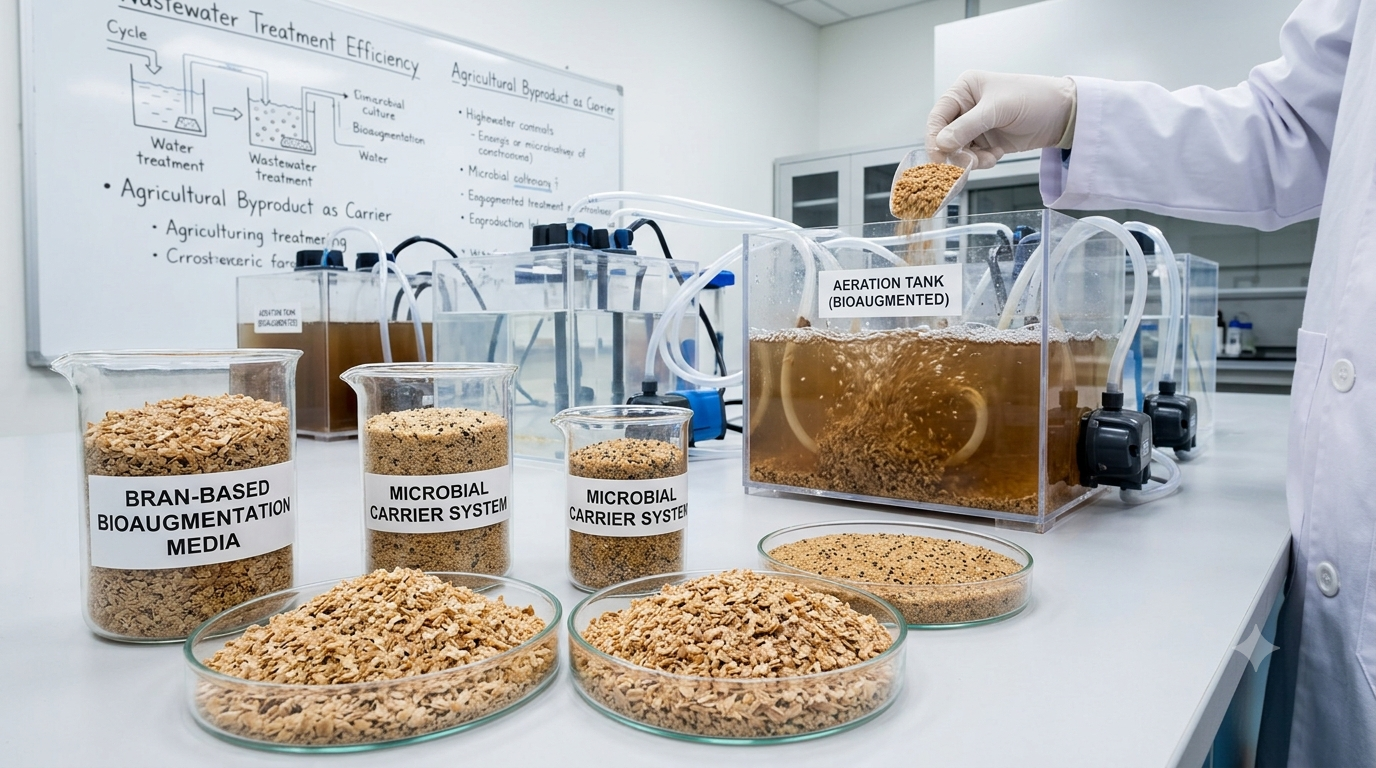
Buyers often reach for CFU/gram as a simple comparison tool. It feels objective, measurable, and easy to put on a spec sheet. But in biological wastewater treatment, CFU/gram is one …
 Jul 9, 2026
Alkalinity: The Hidden Driver of Stable Nitrification and Denitrification
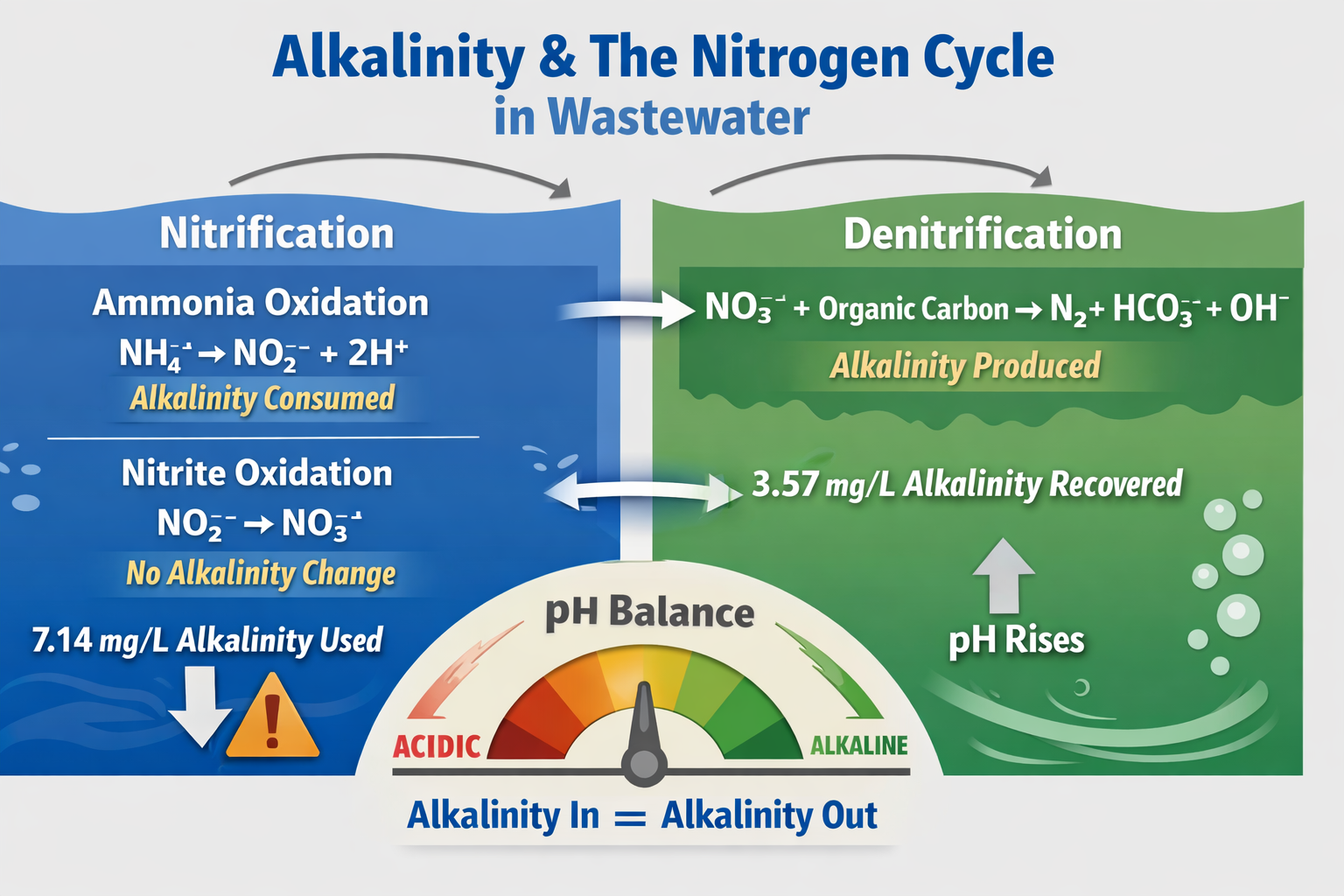
Alkalinity is the water’s ability to neutralize acids. In wastewater systems, it acts as a biological “buffer,” keeping pH stable as microbes convert ammonia → nitrite → nitrate → nitrogen …
 Jul 7, 2026
Can Biosurfactants Make Heavy Metal Remediation Cleaner and Smarter?
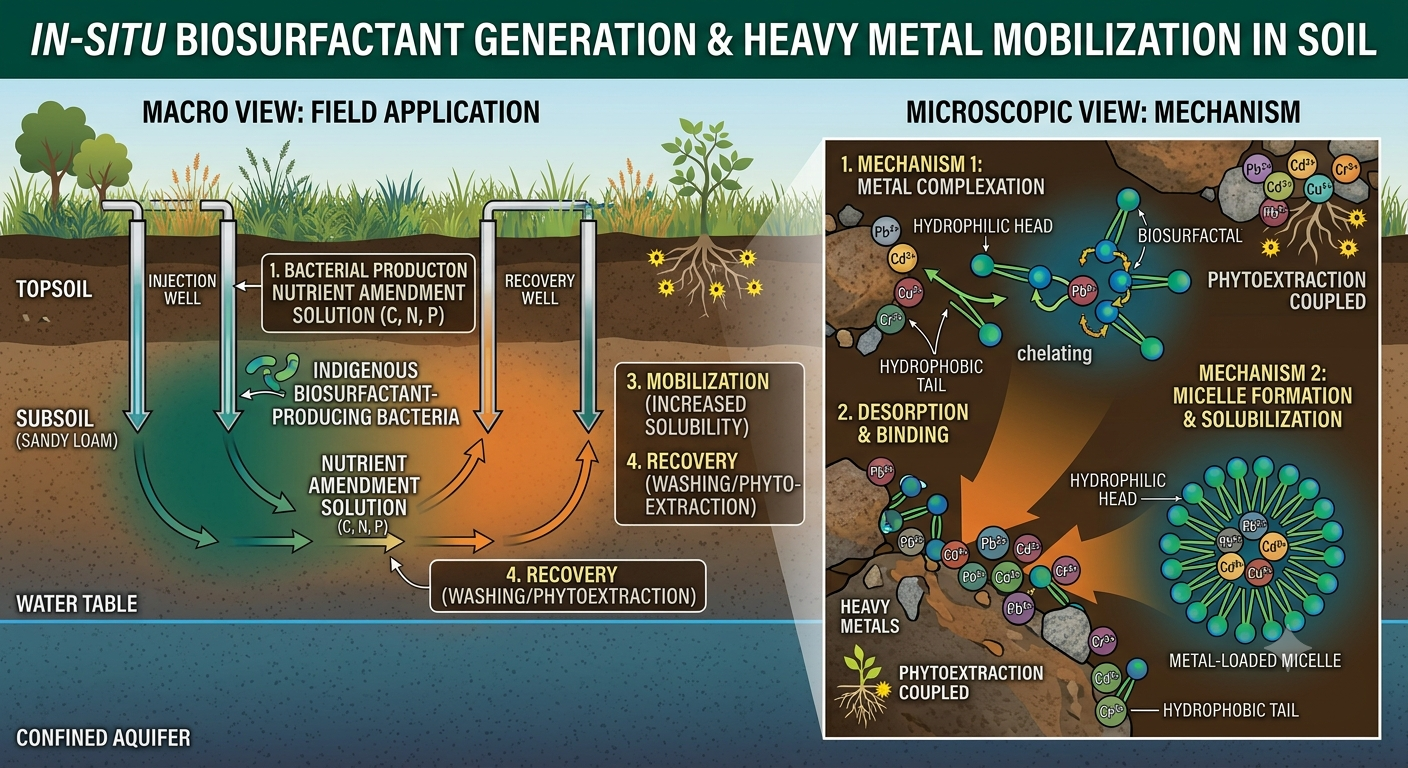
In-situ biosurfactant generation offers a compelling way to clean heavy-metal-contaminated soils without excavating them or relying on harsh chemical washes. The idea is simple: encourage microorganisms already present in the …
 Jun 25, 2026
Filamentous Bulking: The Hidden Aeration Energy Penalty in Wastewater Treatment
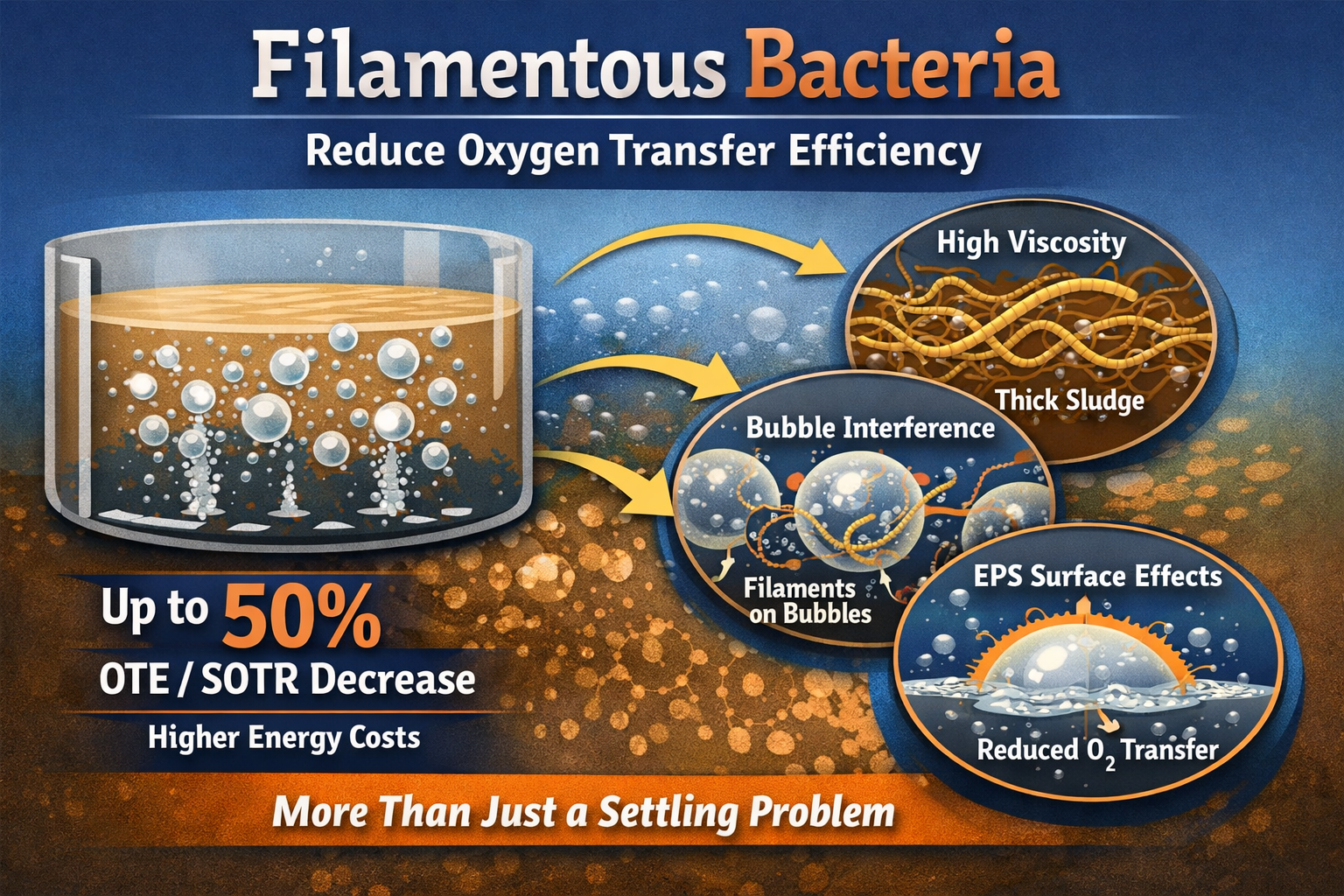
When talking about filamentous bacteria, the focus is usually on high SVI, poor settling, and clarifier washout risk. Those are real concerns—but they are only part of the story. Filaments …
Jun 22, 2026The Critical Role of Free Ammonia and Free Nitrous Acid in Maintaining AOB and NOB Populations
Nitrification is one of the most sensitive biological processes in wastewater treatment. The organisms responsible — Ammonia‑Oxidizing Bacteria (AOB) and Nitrite‑Oxidizing Bacteria (NOB) — operate within narrow chemical windows. Even …
 Jun 11, 2026
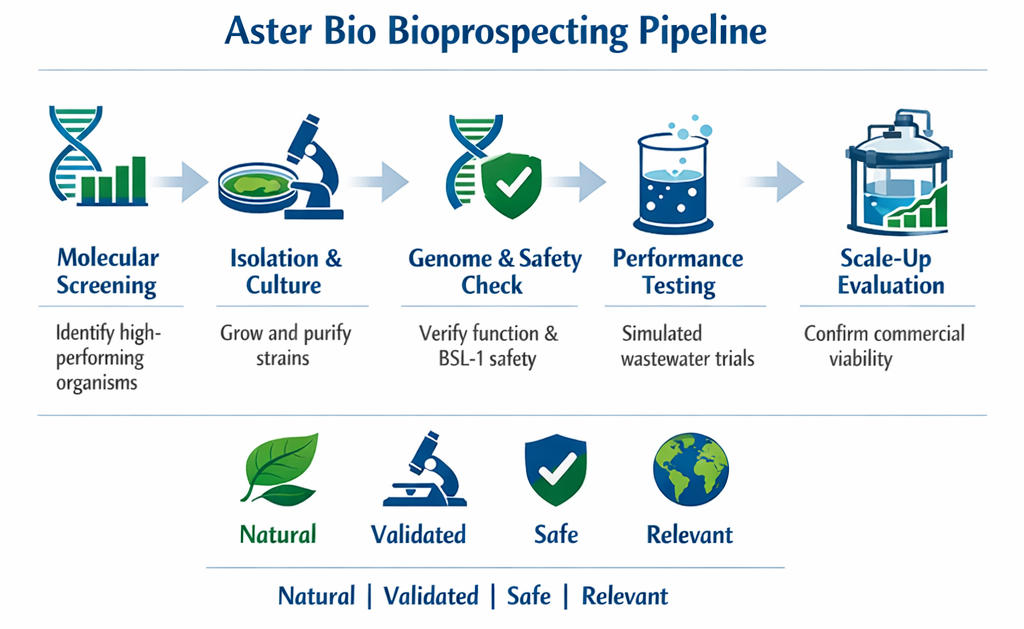
Bioprospecting for Better Biology: How Aster Bio Discovers Wastewater Treatment Organisms
Wastewater treatment plants are living ecosystems. When they run well, it’s because the right microbial communities are present, balanced, and active. At Aster Bio, our R&D team studies these ecosystems …
 Jun 7, 2026
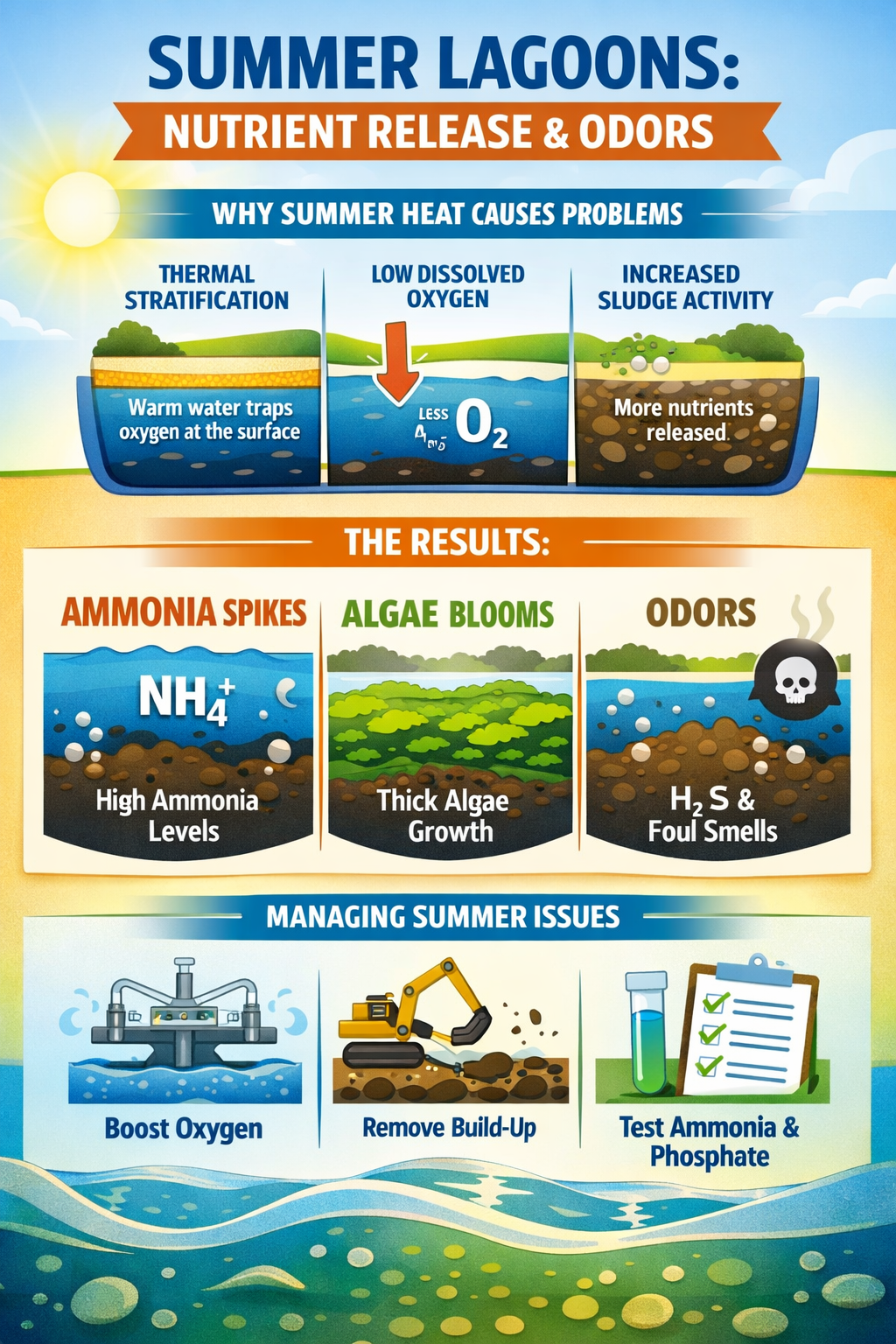
When Lagoons Heat Up: Why Summer Brings Ammonia Spikes, Algae Blooms, and Odors
Summer heat flips lagoon biology into a completely different operating mode — and that shift drives nutrient release from sludge, ammonia spikes, algae blooms, and odor episodes. The root cause …
 Mar 30, 2026
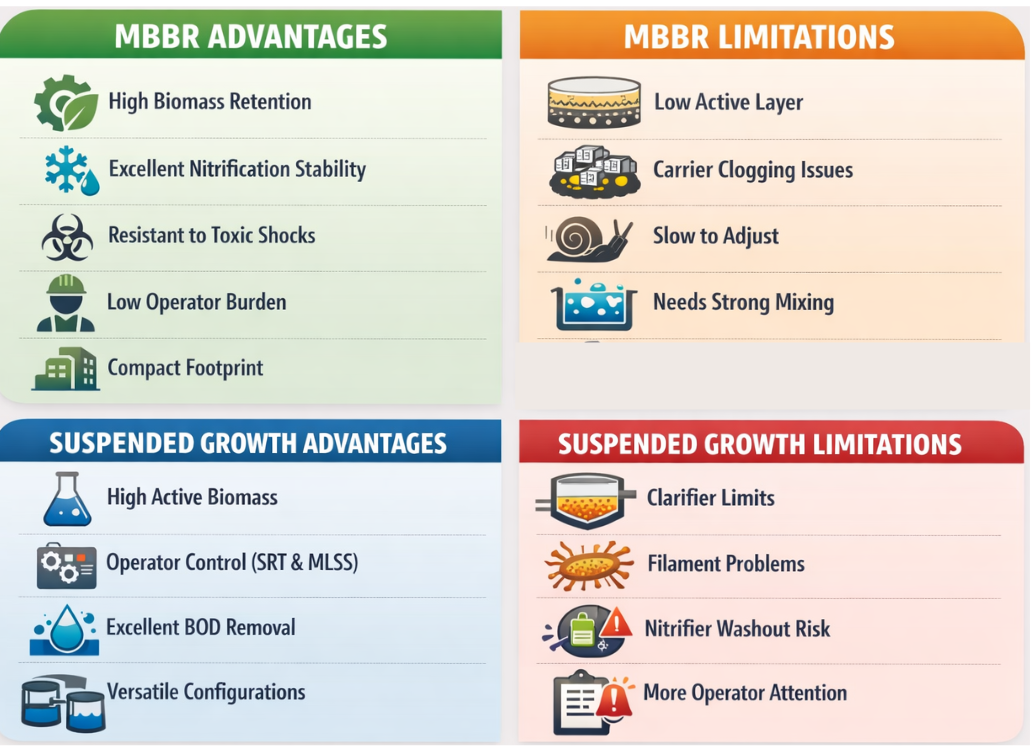
Attached vs. Suspended Growth: How Biomass Retention Really Shapes Process Performance
A clear difference between MBBR (attached‑growth) and suspended‑growth activated sludge is how much living biomass each system can maintain—and how that living fraction behaves under real operating conditions. The contrast …
Mar 23, 2026How fast do nitrifiers really grow?
If you’ve ever wondered why Nitrite spikes show up during startup—or why hot summers can throw your system off—you’re really asking about one thing: replication rates. Nitrosomonas (AOB) and Nitrospira …
Mar 17, 2026Spirillum in Wastewater: What These Spiral Bacteria Reveal About Your System’s Health
When you look at activated sludge under the microscope, you usually focused on the big players— metazoa, protozoa, floc size/density, and the filamentous organisms that can make or break settling …
Mar 10, 2026Loosely Bound vs. Tightly Bound EPS: Why the “Glue” of Your Floc Determines Settling and Compaction
In every activated sludge system, the quality of your solids handling comes down to one thing: how well your biomass sticks together. Operators often focus on filaments, MLSS, or clarifier …
Mar 2, 2026Spring Algae Blooms in Wastewater Polishing Ponds: Prevention & Control
Spring algae blooms are a familiar challenge for many wastewater treatment facilities that operate polishing ponds—also known as maturation, tertiary, or finishing lagoons. These shallow systems follow secondary treatment and …