| AB Nitrozyme |
Nitrification
|
Slurry |
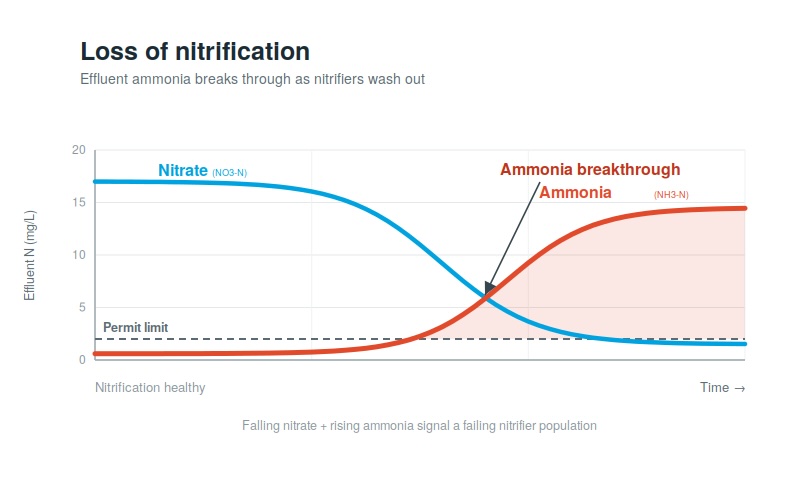
A concentrated slurry of Ammonia-Oxidizing Bacteria (AOB) and Nitrite-Oxidizing Bacteria (NOB) for use in establishing or restoring nitrification in wastewater treatment units. |
AOB
NOB
Ammonia removal
|
| AB Petrozyme |
Hydrocarbons
|
Dry |
Developed for use in remediation of petroleum hydrocarbons, including crude oil, fuels, and BTEX. Suitable for use in soil, groundwater, and wastewater treatment systems. |
Crude oil
BTEX
Soil & groundwater
|
| AB Petrozyme Liquid |
Hydrocarbons
|
Liquid |
A convenient liquid microbial formulation for use in crude oil and fuel bioremediation. Ideal for pump-metered applications in groundwater treatment and collection systems. |
Liquid format
Fuel
Bioremediation
|
| AB Biopolymer Blend |
Floc & Settling
|
Dry |
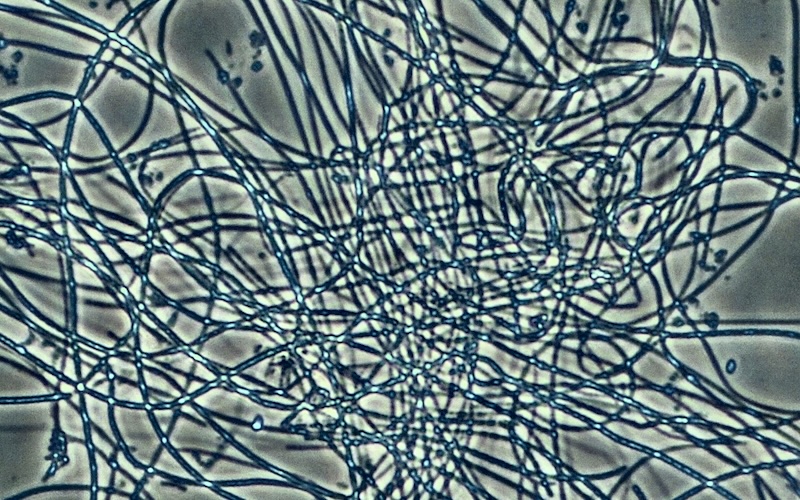
Produces biological polymers to enhance floc formation and density, which lowers chemical polymer dose and effluent TSS. Can be used in conjunction with filamentous bulking disinfection programs. |
Polymer reduction
TSS
Bulking
|
| AB S10 |
Odor & H₂S
|
Dry |
Containing sulfur-oxidizing bacteria, AB S10 oxidizes hydrogen sulfide and total reduced sulfides in wastewater, biological scrubbers, and collection systems. Also effective for reducing VOC and volatile organic acids. |
H₂S
VOC
Scrubbers
|
| AB Phenozyme |
Industrial COD
|
Dry |
Developed for high-COD industrial wastewater treatment. Improves removal of toxic or difficult-to-degrade compounds such as phenol, BTEX, naphthalene, polynuclear aromatics, sulfides, alcohols, and other solvents. |
Phenol
High COD
Solvents
|
| AB Oleozyme |
FOG & Dairy
|
Dry |
Biological blend for dairy and meat-processing wastewaters. Targets proteins and FOG and helps maintain conditions suitable for Ammonia-Oxidizing Bacteria (AOB) cultures. |
Dairy
Meat processing
FOG
|
| AB Lignozyme |
Pulp & Paper
|
Dry |
Developed to enhance BOD₅ and TSS removal in pulp and paper wastewater systems. Works over wide ranges of pH and temperature found in paper mill wastewater. |
BOD₅
Paper mills
Wide pH range
|
| AB Munizyme |
Municipal
|
Dry |
Designed for use in collection systems and wastewater treatment units. Enhances biological treatment performance across a range of municipal applications. |
Collection systems
WWTP
|
| AB Munizyme Liquid |
Municipal
|
Liquid |
A liquid blend of AB Munizyme for use in collection systems and wastewater treatment units. Can be used with metering pumps for continuous dosing applications. |
Metering pumps
Continuous dose
|
| AB Munizyme LS |
Municipal + FOG
|
Liquid |
AB Munizyme Liquid with added enzymes and biodegradable surfactants. Designed to reduce grease accumulation in collection systems and lift stations. |
Grease
Lift stations
Surfactants
|
| AB10 |
Stormwater
|
Dry |
Reduces hydrocarbons, improves clarity, and reduces sludge in stormwater retention ponds and other water features. Works to prevent algae blooms and control eutrophication naturally by cycling nutrients. |
Retention ponds
Algae
Eutrophication
|
| AB20 |
CAFO
|
Dry |
Contains a blend of bacteria selected for treatment of manure and liquid wastes from Concentrated Animal Feeding Operations (CAFO). |
Manure
CAFO
Animal waste
|